Observances
Valentine's Day in Australia: Origins, Gift Spending and Romance Scam Warnings
Valentine's Day falls on 14 February, in the last weeks of the Australian summer, and it is not a public holiday. Here is where the custom came from, how it arrived in the colonies, what Australians spend and how to spot a romance scam.
Valentine's Day is on Sunday, February 14, 2027. It is not a public holiday in any state or territory, so shops, banks, schools and offices keep their usual hours.
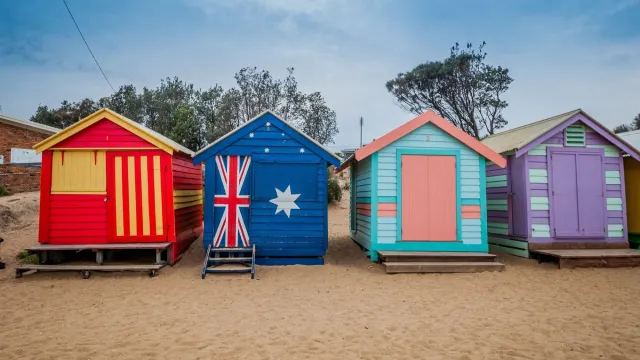
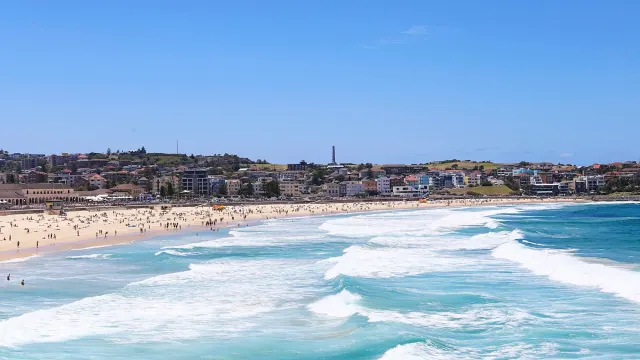
In Australia the date lands in the final weeks of summer. That makes it a season for picnics, beach sunsets and long dinners outdoors rather than the snowy cards seen in northern hemisphere advertising.
Valentine's Day in the next five years
Where Valentine's Day comes from
The day is named after early Christian martyrs called Valentine. Little is known about them, and the romantic stories told today were added centuries later.
The first recorded link between the feast and romantic love is in Geoffrey Chaucer's poem Parliament of Fowls, from 1382. The popular claim that it grew out of the Roman festival of Lupercalia has no solid evidence behind it.
The oldest surviving valentine is a poem by Charles, Duke of Orleans, written to his wife while he was a prisoner in the Tower of London after the Battle of Agincourt. In 1969 the Catholic Church took the feast off its general calendar, although St Valentine is still honoured locally.
How valentines reached the Australian colonies
The custom came from England along with the post. Printed valentines boomed in 19th-century England, and sending them grew after the 1840 postal reform.
According to State Library Victoria, both sentimental and vulgar valentines were fashionable in the Australian colonies in the 1850s and were imported in great numbers from England. The Library also holds cherub-faced paper valentines dated 1857 to 1870.
Not every card was kind. Anonymous "vinegar valentines" carried insulting verses and cartoons. A letter to The Argus shows they were still being sent in the 1880s. Few survive, which suggests most recipients threw them away.
An Australian classic set on Valentine's Day
One of the best known Australian novels takes place on this date. Joan Lindsay's Picnic at Hanging Rock, published in 1967, follows a school picnic at Hanging Rock, near Mount Macedon in Victoria, on Valentine's Day, 14 February 1900. Peter Weir's film version followed in 1975.
The date meant a lot to the author. Joan Lindsay married the artist Daryl Lindsay in London on Valentine's Day 1922. Their home, Mulberry Hill, now belongs to the National Trust of Australia (Victoria).
What Australians spend
Fewer Australians buy a Valentine's gift than many people think. In the survey by the Australian Retail Council (ARC) and Roy Morgan before Valentine's Day 2026, 12% of adults, around 3 million people, planned to buy one.
Those buyers expected to spend $152 each on average, for a forecast total of $550 million, up 2.8% on the year before. Participation was highest in Western Australia (15%) and Tasmania (14%).
Most popular Valentine's Day gifts
| Gift | Share of gift buyers |
|---|---|
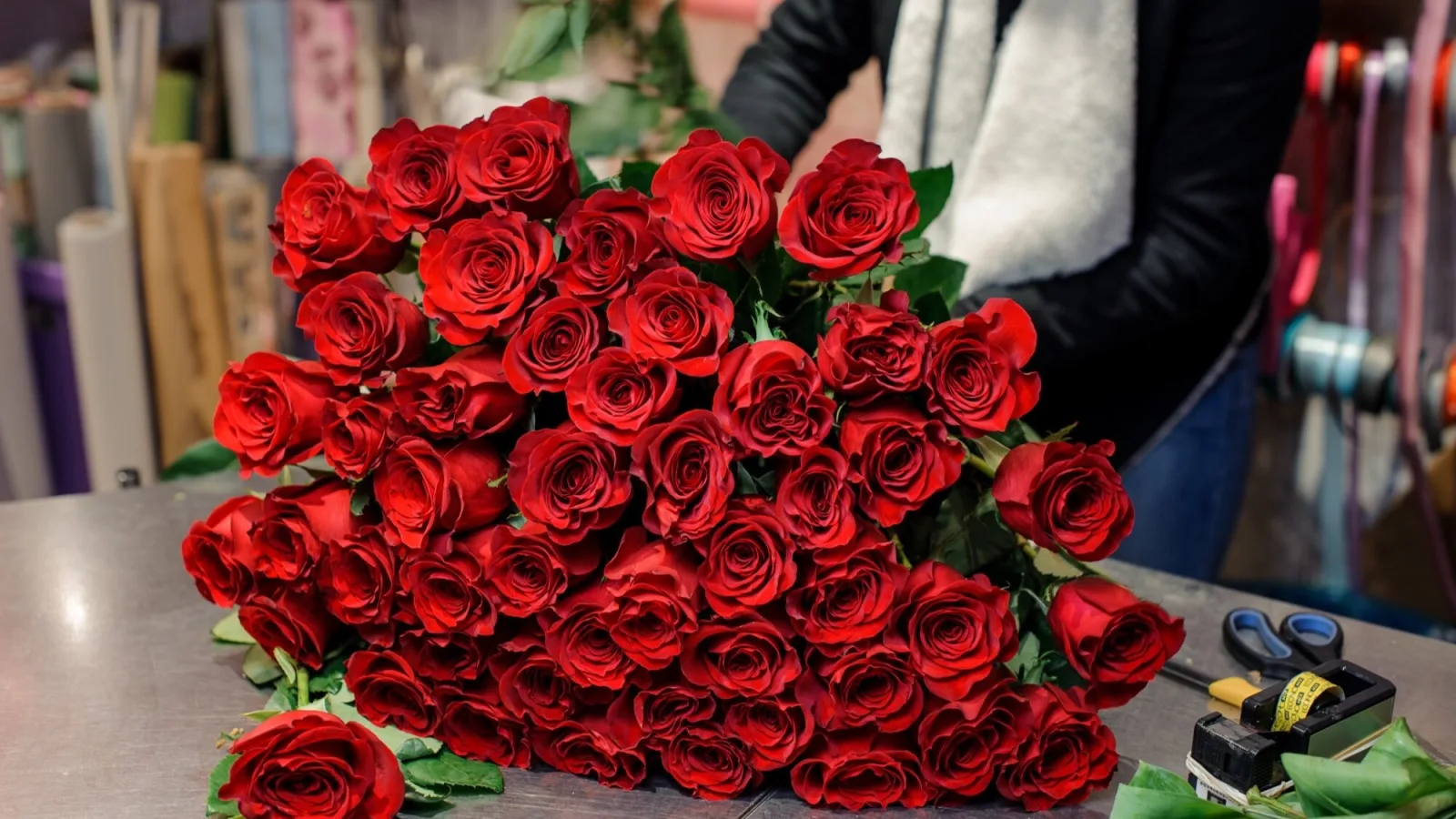
| Flowers | 40% |
| Chocolates and alcohol | 33% |
| Jewellery | 16% |
Forecast for Valentine's Day 2026, SMS survey of 6,479 Australians aged 18 and over.
Sources: Australian Retail Council and Roy Morgan
Romance scams: the warning signs
Valentine's Day is also when the National Anti-Scam Centre reminds Australians about romance scams. In 2025, people reported more than $28.6 million in romance scam losses to Scamwatch, a 21.8 per cent rise, and 1,330 Australians lost money.
More than 80 per cent of those losses began with contact online. Scammers can spend months building trust before they ask for anything, so a match made around Valentine's Day may only show warning signs much later.
Signs a new match may be a scammer
- They declare strong feelings very quickly.
- They want to move the chat from the dating app to a private messaging app.
- There is always a reason they cannot meet in person or video chat.
- Money requests start small and grow, often for cryptocurrency or gift cards.
- They push you to keep the relationship secret from friends and family.
If you think you have been scammed
Scamwatch advises contacting your bank or card provider straight away and asking them to stop any payments. Then change your passwords, report the scam to Scamwatch and contact IDCARE, the free national identity and cyber support service, on 1800 595 160.
The simplest rule from the National Anti-Scam Centre: do not send money, cryptocurrency or gift cards to someone you have not met in person.
Frequently asked questions
Is Valentine's Day a public holiday in Australia?
No. It is not a public holiday in any state or territory, so businesses, banks and schools open as usual.
What day of the week is Valentine's Day this time?
The next Valentine's Day is on Sunday, February 14, 2027, 87 days from today.
Is Valentine's Day in summer in Australia?
Yes. Australian summer runs from December to February, so 14 February is in the last weeks of the season.
What is the most popular Valentine's gift in Australia?
Flowers. In the 2026 ARC and Roy Morgan survey, 40% of gift buyers planned to buy flowers, ahead of chocolates and alcohol (33%) and jewellery (16%).
Where do I report a romance scam?
Contact your bank first, then report it to Scamwatch at scamwatch.gov.au. IDCARE offers free support on 1800 595 160.
Related dates
- SummerTuesday, December 1, 2026
- Australia DayTuesday, January 26, 2027
- Mother's DaySunday, May 9, 2027