Observances
Valentine's Day in the U.S.: Date, Whether It's a Holiday and How It Began
Valentine's Day falls on February 14 every year and is not a federal holiday. Here's when the next one is, who St. Valentine was, how a Massachusetts woman turned valentines into an American business, and the cards people sent to insult each other.
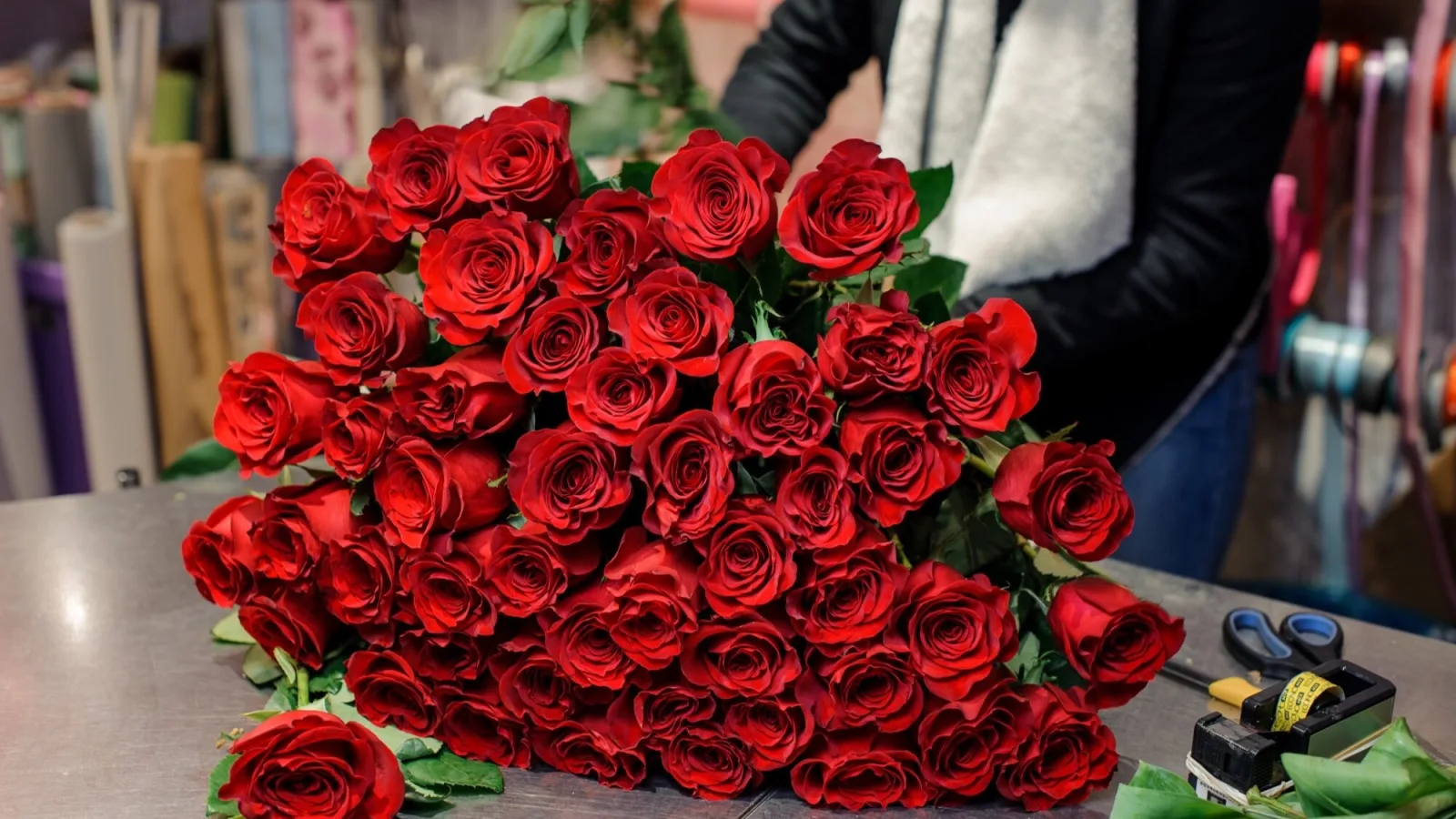
Valentine's Day is on February 14 every year, and the next one falls on Sunday, February 14, 2027. It is not a federal holiday: it is a regular workday and school day whenever it lands on a weekday.
The day is about cards, flowers, candy and dinner reservations, but its roots go back to a Roman martyr, a medieval English poet and a young woman in Worcester, Massachusetts, who turned handmade valentines into an American business.
Valentine's Day in the coming years
Is Valentine's Day a day off?
No. Federal law lists eleven legal public holidays, and February has only one of them: Washington's Birthday, on the third Monday of the month. The Office of Personnel Management, which publishes the federal holiday schedule, does not list Valentine's Day either. Employers, schools and stores treat February 14 as an ordinary date.
There is one calendar quirk worth knowing. The third Monday of February always falls between the 15th and the 21st, so Valentine's Day never lands on Presidents' Day itself. But when February 14 is a Saturday or a Sunday, it falls inside the Presidents' Day long weekend, which makes it an easy year to plan a short trip. The next one falls on a Sunday.
Who was St. Valentine?
Less is known than the greeting cards suggest. The saint behind the name was a Roman martyr of the third century, and his life is so poorly documented that historians still debate whether the stories describe one man or two men with the same name. The accounts agree that he was martyred and buried on the Via Flaminia, the road leading north out of Rome.
The best-known story, repeated by the U.S. Census Bureau as the most popular theory, says he was a clergyman executed for secretly marrying couples. It is a legend, not a documented fact. Because the evidence is so thin, the Catholic Church removed St. Valentine from its General Roman Calendar in 1969, though he still appears in the Roman Martyrology on February 14.
How February 14 became about love
The link between the saint's day and romance shows up in English poetry of the late 1300s. According to scholars at the University of North Carolina, February 14 became tied to romantic love within the literary circle of Geoffrey Chaucer, the author of The Canterbury Tales.
Chaucer's Parliament of Fowls is one of the earliest known Valentine poems. In it, birds gather on St. Valentine's Day to choose their mates. Three eagles court the same female, and she asks for a year to make up her mind.
The Worcester woman behind American valentines
Exchanging valentines became fashionable in America in the 1840s, and much of the credit goes to Esther Howland of Worcester, Massachusetts. The American Antiquarian Society, which holds more than 3,000 valentines from the 1830s to 1900, calls her the Mother of the American Valentine.
Howland finished her studies at Mount Holyoke Female Seminary in 1847. Soon after, a business associate of her father sent her an elaborate English valentine, and she decided she could make cards like it. In 1849 she put together a dozen samples, and her brother took them on a sales trip. The orders that came back were far larger than she expected.
She set up work in the family home and brought in local women to help fill the orders. She stayed in business for about thirty years and sold the company to another Worcester stationer in 1881 to care for her ailing father.
Vinegar valentines: the cards meant to sting
Not every 19th-century valentine was sweet. Mass printing in the mid-1800s also produced vinegar valentines: cards made to mock the person who received them, often sent anonymously.
The targets were familiar types: salespeople, teachers, drinkers, bad dancers, people judged by their looks and, in the early 1900s, women who wanted the right to vote. The Library of Virginia keeps examples in its collections and notes that one was even entered into evidence in a Frederick County court case in 1900. The fashion faded by the middle of the 20th century.
Frequently asked questions
Is Valentine's Day a federal holiday?
No. It is not on the list of legal public holidays in 5 U.S.C. § 6103, and it does not appear on the federal holiday schedule published by the Office of Personnel Management. Work, school and federal offices follow their normal schedule.
When is Valentine's Day?
Always on February 14. The next one is Sunday, February 14, 2027.
Can Valentine's Day fall on Presidents' Day?
No. Presidents' Day is the third Monday in February, which is always between February 15 and 21. When February 14 is a Saturday or Sunday, though, it falls inside the holiday's three-day weekend.
Why is it called Valentine's Day?
It is the feast day of St. Valentine, a Roman martyr of the third century. The romantic meaning came much later, through English poets such as Geoffrey Chaucer in the late 1300s.
Who made the first American valentines?
Esther Howland of Worcester, Massachusetts, is credited with selling the first mass-produced valentines in the United States in the 1840s.
Related dates
- Presidents' DayMonday, February 15, 2027
- Mother's DaySunday, May 9, 2027
- Martin Luther King Jr. DayMonday, January 18, 2027