Curiosities
When Does Summer Start in Australia? 1 December, the Solstice and the Six Seasons of the North
Australia counts summer from 1 December to the end of February. Here is why the season starts three weeks before the solstice, what changes with daylight saving and how the Top End reads the same months.
When does summer start in Australia?
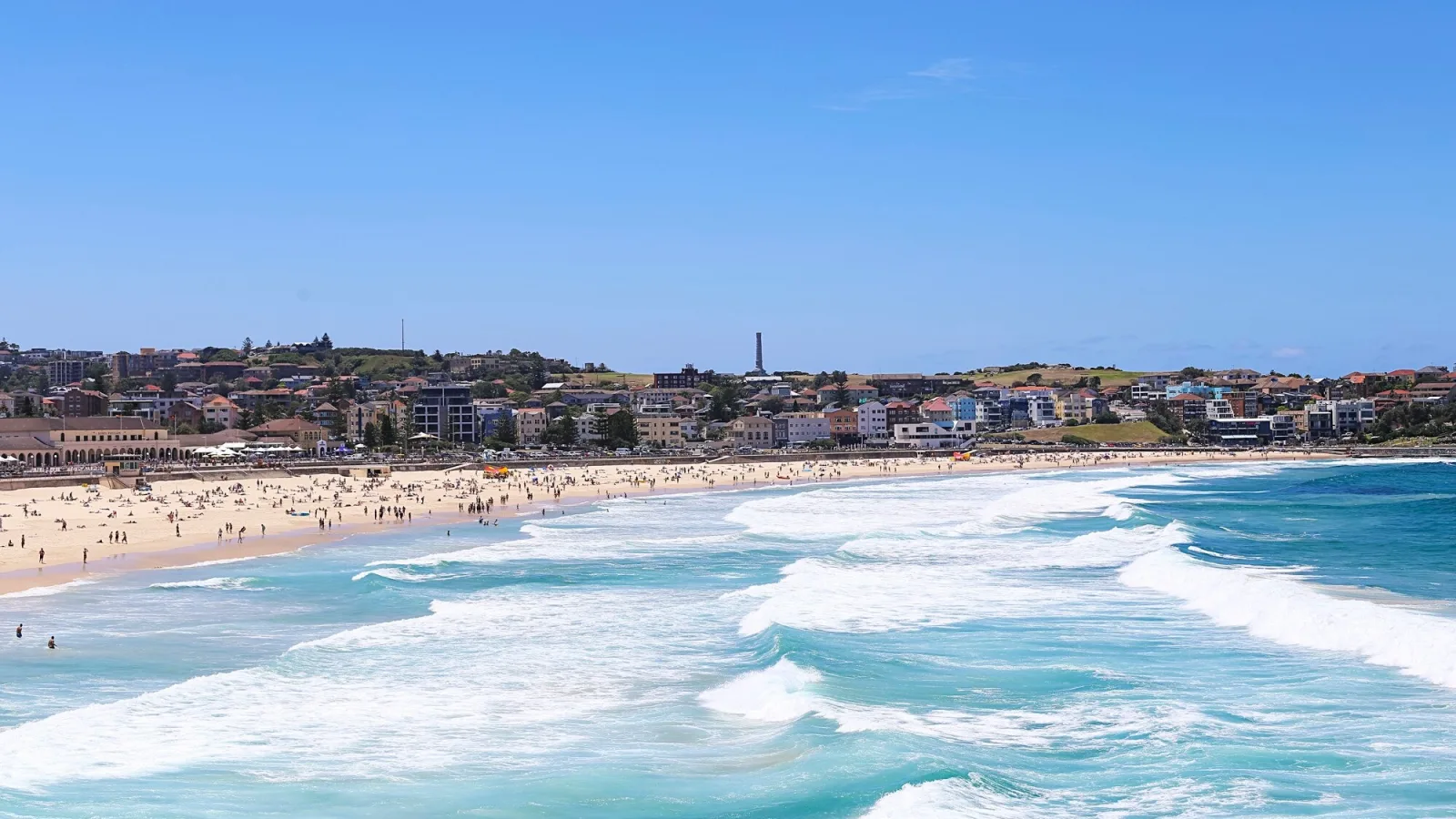
Summer in Australia starts on Tuesday, December 1, 2026 and runs to the last day of February. It is not a public holiday: shops, schools and offices keep their normal hours on the first day of the season.
The date is a convention, not an astronomical event. Australia groups whole calendar months into seasons, so summer is December, January and February. Autumn follows on Monday, March 1, 2027.
Why 1 December and not the solstice?
Many countries in the Northern Hemisphere start their seasons at a solstice or an equinox. That is the astronomical definition. Australia uses the meteorological one: three full months for each season.
There is a practical reason. Seasons made of calendar months make it easier to compile and compare climate statistics year after year, and they put the three hottest months together in summer and the three coldest together in winter.
The solstice still matters. It arrives around 22 December, when Earth's tilt points the Southern Hemisphere most directly at the Sun. According to Sydney Observatory, that is the longest day and the shortest night of the year. After it, the Sun starts heading back north in the sky and the days slowly shorten.
Daylight saving: it depends on where you live
By the time summer starts, clocks have already gone forward an hour in five jurisdictions. New South Wales, Victoria, South Australia, Tasmania and the Australian Capital Territory observe daylight saving from the first Sunday in October to the first Sunday in April.
Queensland, Western Australia and the Northern Territory do not. That is why the time gap between Brisbane and Sydney grows to one hour over the summer, and why calls and flights across state lines need a second look in December.
Six seasons in the Top End
The Western four-season calendar splits the year into four roughly equal blocks. CSIRO describes it as not a particularly informative way of engaging with weather and climate in Australia. Aboriginal and Torres Strait Islander calendars follow local signs instead, and they are named after language groups, such as the Walmajarri calendar of the Kimberley, the Tiwi calendar and the Gulumoerrgin calendar of the Darwin region.
In Kakadu National Park, the Traditional Owners recognise six seasons. December sits on the edge of two of them. Kunumeleng, from mid-October to late December, is the pre-monsoon season, hot and increasingly humid. Kudjewk, from December to March, is the true tropical summer of thunderstorms, heavy rain and flooding.
So while Melbourne and Hobart talk about beach days, much of the north is heading into the wet season. Both are summer in Australia.
A season full of holidays
Summer holds most of the year's big dates. Christmas Day and Boxing Day come in its first month, New Year's Day opens January, and Australia Day falls on 26 January.
If you are planning time off, it pays to look at how these public holidays fall on the week in your state before booking.
First day of summer in the coming years
Frequently asked questions
What is the first day of summer in Australia?
1 December. Australia uses meteorological seasons, so summer covers December, January and February.
Is the first day of summer a public holiday?
No. It is a calendar convention. The public holidays in summer are Christmas Day, Boxing Day, New Year's Day and Australia Day.
When is the longest day of the year in Australia?
On the December solstice, around 22 December, about three weeks after summer begins.
Which states have daylight saving in summer?
New South Wales, Victoria, South Australia, Tasmania and the ACT. Queensland, Western Australia and the Northern Territory keep standard time all year.
When does summer end?
On the last day of February. Autumn starts on 1 March.
Related dates
- Christmas DayFriday, December 25, 2026
- Boxing DaySaturday, December 26, 2026
- New Year's DayFriday, January 1, 2027
- Australia DayTuesday, January 26, 2027
- AutumnMonday, March 1, 2027