Holidays
New Year's Day in Australia: Public Holiday Rules by State and the Extra Weekday
New Year's Day is a public holiday across the states, each under its own law. Here is how the extra weekday holiday works when 1 January lands on a weekend, and what to know about the Sydney Harbour fireworks the night before.
Is New Year's Day a public holiday in Australia?
New Year's Day falls on Friday, January 1, 2027 and is a public holiday. Australia has no single national holidays law: each state and territory declares its own public holidays, and 1 January appears in the holiday laws or official lists of New South Wales, Victoria, Queensland, South Australia and Western Australia. Tasmania, the ACT and the Northern Territory publish their own lists.
In New South Wales the day is set by the Public Holidays Act 2010. In Queensland it sits in the schedule of the Holidays Act 1983. Western Australia publishes its list through the state government, which also flags recent amendments to the state's holiday schedule.
Because 1 January arrives in the middle of the school summer holidays, it often joins Christmas Day and Boxing Day in one long stretch of time off.
When New Year's Day falls in the next few years
| Year | Date | Note |
|---|---|---|
| 2027 | Friday, January 1, 2027 | long weekend |
| 2028 | Saturday, January 1, 2028 | observed Monday, January 3 |
| 2029 | Monday, January 1, 2029 | long weekend |
| 2030 | Tuesday, January 1, 2030 | bridge with Monday |
| 2031 | Wednesday, January 1, 2031 | midweek |
What happens when 1 January falls on a weekend
When New Year's Day lands on a Saturday or Sunday, the states add a weekday holiday so workers do not miss out. The day itself stays a public holiday, and an extra day is added after it.
New South Wales: the Public Holidays Act 2010 adds an extra public holiday on the following Monday or Tuesday when New Year's Day, Christmas Day or Boxing Day falls on a weekend.
Queensland: the Holidays Act 1983 makes 3 January a public holiday if 1 January is a Saturday, and 2 January if 1 January is a Sunday.
Western Australia: when New Year's Day falls on a Saturday or Sunday, the next Monday is also a public holiday. The state's own list shows this happening when the day falls on Saturday, January 1, 2028, with Monday 3 January added.
South Australia: if New Year's Day falls on a Saturday or Sunday, the following Monday is a public holiday as well. South Australia also makes New Year's Eve a part-day public holiday, from 7pm until midnight.
Victoria, Tasmania, the ACT and the Northern Territory set their own rules. Check your state or territory government before you lock in a roster or a booking.
New Year's Eve on Sydney Harbour
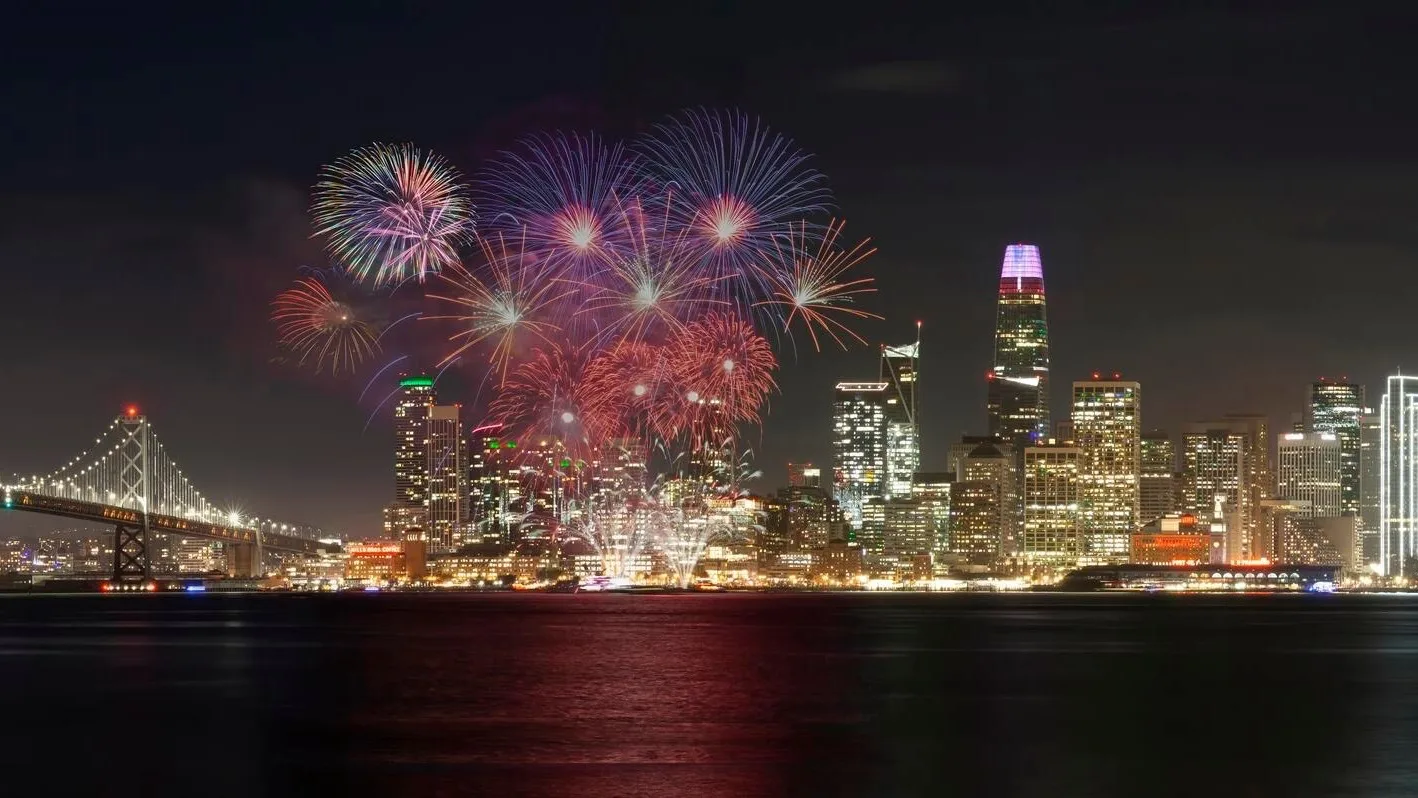
The night before the holiday belongs to the fireworks. Sydney New Year's Eve is produced by the City of Sydney, and the harbour lights up twice: at 9pm, in a show called Calling Country, and again at midnight.
To welcome 2026, the City of Sydney estimated that nearly a million people gathered around the harbour. The two shows added up to 20 minutes of fireworks set to two soundtracks, and nine tonnes of fireworks were fired from the Sydney Harbour Bridge alone, with more launched from the Opera House, six city buildings and eight platforms on the water.
The event's official site opens with an acknowledgement of the Traditional Custodians of the lands where it takes place. If you are not in Sydney, your local council is the place to check for fireworks closer to home.
Planning the summer break
New Year's Day comes one week after Christmas Day and Boxing Day, and a few weeks before Australia Day. Depending on the weekdays they land on, a few days of annual leave can turn the run into a long break.
The list of public holidays by state shows every date for the coming year, and the business days calculator counts the working days between two dates if you need to plan a deadline around the holidays.
Frequently asked questions
Is New Year's Day a public holiday?
Yes. Each state and territory declares its own public holidays, and 1 January is on the lists of NSW, Victoria, Queensland, South Australia and Western Australia, among others.
Is New Year's Eve a public holiday?
Not as a full day. South Australia treats the evening of 31 December, from 7pm, as a part-day public holiday. Check your own state or territory for local arrangements.
What happens if New Year's Day is on a Saturday?
In NSW, Queensland, South Australia and WA, the following Monday (3 January) is also a public holiday. Other states and territories set their own rules.
What time are the Sydney fireworks?
The City of Sydney runs two shows over the harbour, at 9pm and at midnight.
Related dates
- Christmas DayFriday, December 25, 2026
- Boxing DaySaturday, December 26, 2026
- Australia DayTuesday, January 26, 2027
- SummerTuesday, December 1, 2026