Holidays
New Year's Day in the U.S.: Federal Holiday, the Weekend Rule and the Traditions Behind It
January 1 is a federal holiday. Here's when the next one falls, what happens when it lands on a Saturday or Sunday, what's closed, and how the Times Square ball and the Rose Parade started.
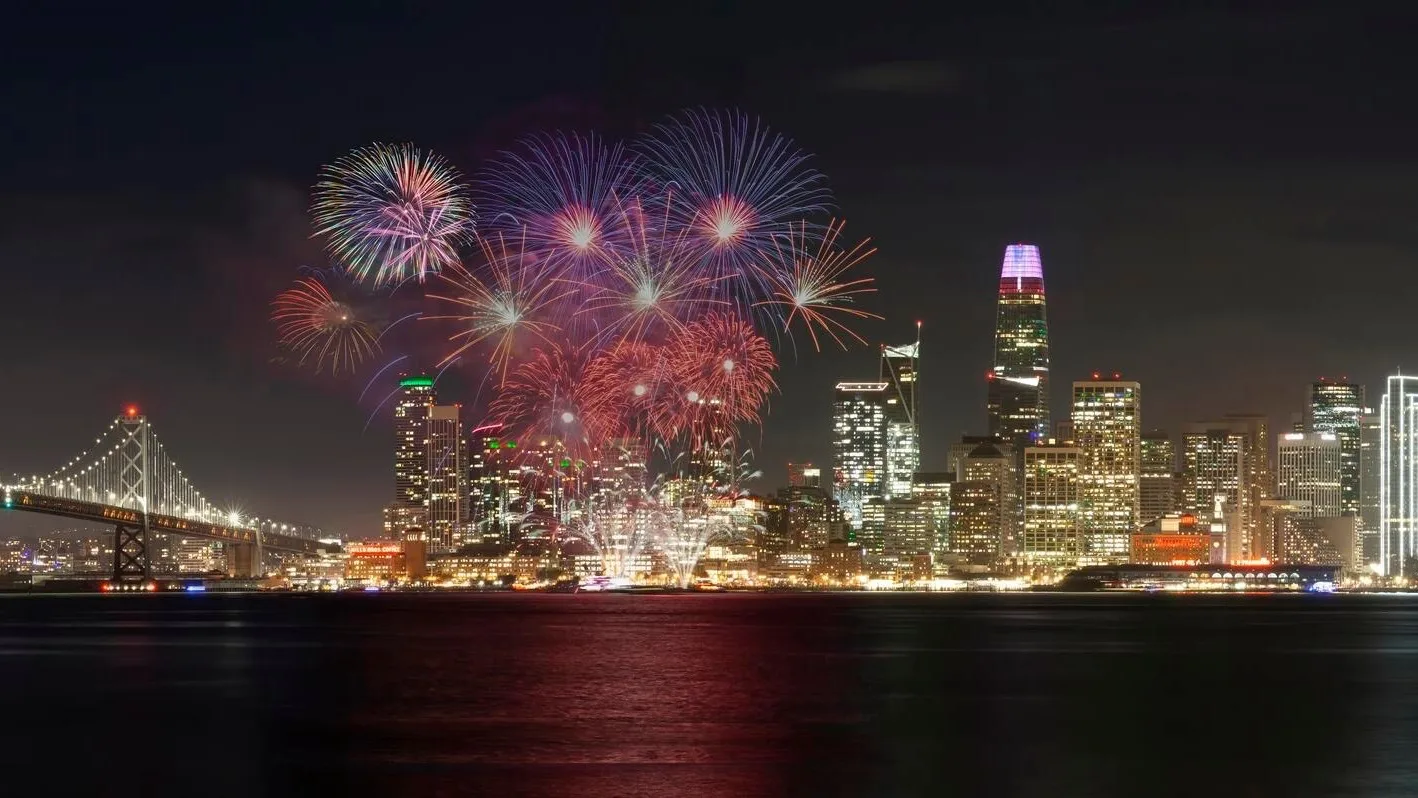
When is New Year's Day, and is it a federal holiday
The next New Year's Day is Friday, January 1, 2027. January 1 is one of the federal holidays set by law in 5 U.S.C. § 6103, so federal offices are closed, and so are banks that follow the Federal Reserve calendar.
Private employers set their own holiday schedules, but New Year's Day is one of the most widely observed days off in the country. Many people also take time off between Christmas and January 1, so it's worth planning that week in advance.
New Year's Day in the coming years
| Year | Date | Note |
|---|---|---|
| 2027 | Friday, January 1, 2027 | long weekend |
| 2028 | Saturday, January 1, 2028 | observed Friday, December 31 |
| 2029 | Monday, January 1, 2029 | long weekend |
| 2030 | Tuesday, January 1, 2030 | bridge with Monday |
| 2031 | Wednesday, January 1, 2031 | midweek |
When January 1 falls on a weekend
Federal law moves the day off when the holiday lands on a weekend. If it falls on a Saturday, the Friday before is the holiday for employees who work Monday through Friday. If it falls on a Sunday, the following Monday is the day off, under Executive Order 11582.
That creates an odd case for New Year's Day. When it falls on a Saturday, as on Saturday, January 1, 2028, the holiday for most federal workers is Friday, December 31, the last day of the previous year. The Office of Personnel Management lists it that way.
Not everyone follows that shift. The Federal Reserve Banks stay open on that Friday, while the Board of Governors closes. For that Saturday holiday, the New York Stock Exchange says no New Year's Day holiday is observed at all.
When January 1 falls on a Sunday, as on Sunday, January 1, 2034, the day off moves to Monday, January 2. That happened in 2017 and 2023.
How it became a federal holiday
On June 28, 1870, President Ulysses S. Grant signed the law that made New Year's Day, the Fourth of July and Christmas holidays for federal employees in Washington, D.C. At first they were unpaid days off. The holidays were later extended to federal workers across the country.
Today New Year's Day opens the federal holiday calendar, followed a few weeks later by Martin Luther King Jr. Day in January.
The Times Square ball
The best-known American countdown happens a few hours before the holiday. People started celebrating New Year's Eve in Times Square in 1904, when New York Times owner Adolph Ochs threw a party to open the paper's new headquarters.
The first ball came down from the flagpole atop the building, now One Times Square, in 1907. It was made of iron and wood, measured about 5 feet across, weighed 700 pounds and was lit by one hundred 25-watt bulbs.
The ball skipped only two years: 1942 and 1943, during the wartime dimout of New York's lights. Crowds still gathered and marked midnight with a minute of silence and chimes. The Times Square Alliance estimates the worldwide audience today at over one billion people.
The Rose Parade and the Rose Bowl
On the West Coast, January 1 belongs to Pasadena, California. The Valley Hunt Club started the Tournament of Roses in 1890 to promote the city, with a parade of carriages covered in flowers.
Football joined later. The first Rose Bowl game was played on January 1, 1902, at Tournament Park, and Michigan beat Stanford 49-0.
The parade has a rule of its own, known as Never on Sunday. When New Year's Day falls on a Sunday, the parade moves to Monday. The policy dates to 1893, when organizers wanted to avoid disrupting church services and scaring the horses tied up outside churches.
Timeline
- 1870President Grant signs the law making New Year's Day a holiday for federal employees in Washington, D.C.
- 1890The Valley Hunt Club holds the first Tournament of Roses in Pasadena.
- 1893New Year's Day falls on a Sunday and the Rose Parade moves to Monday, starting the Never on Sunday policy.
- 1902The first Rose Bowl game: Michigan 49, Stanford 0.
- 1904The first New Year's Eve party in Times Square.
- 1907The first ball drop in Times Square.
- 1942The ball is retired for two years because of the wartime dimout.
FAQ
Is New Year's Day a federal holiday?
Yes. January 1 is one of the federal holidays listed in 5 U.S.C. § 6103.
Is New Year's Eve a federal holiday?
No. December 31 is a regular workday unless January 1 falls on a Saturday, when the Friday before becomes the observed holiday for most federal employees.
What happens when New Year's Day falls on a Sunday?
Federal employees get the following Monday off. The Rose Parade also moves to Monday under its Never on Sunday policy.
Is the stock market open on New Year's Day?
No. The NYSE is closed on January 1. When the holiday falls on a Saturday, the NYSE observes no New Year's Day holiday that year.
Are banks open on New Year's Day?
Most are not. New Year's Day is a Federal Reserve holiday, and banks that follow the Federal Reserve calendar close.
Related dates
- Christmas DayFriday, December 25, 2026
- Martin Luther King Jr. DayMonday, January 18, 2027