Practical guides
Black Friday in the U.S.: When It Is, Where the Name Came From and How to Shop Smart
Black Friday is always the day after Thanksgiving and kicks off a five-day stretch that ends on Cyber Monday. Here's when the next one is, who gets the day off, where the name really came from, and what protects you as a shopper.
When is Black Friday
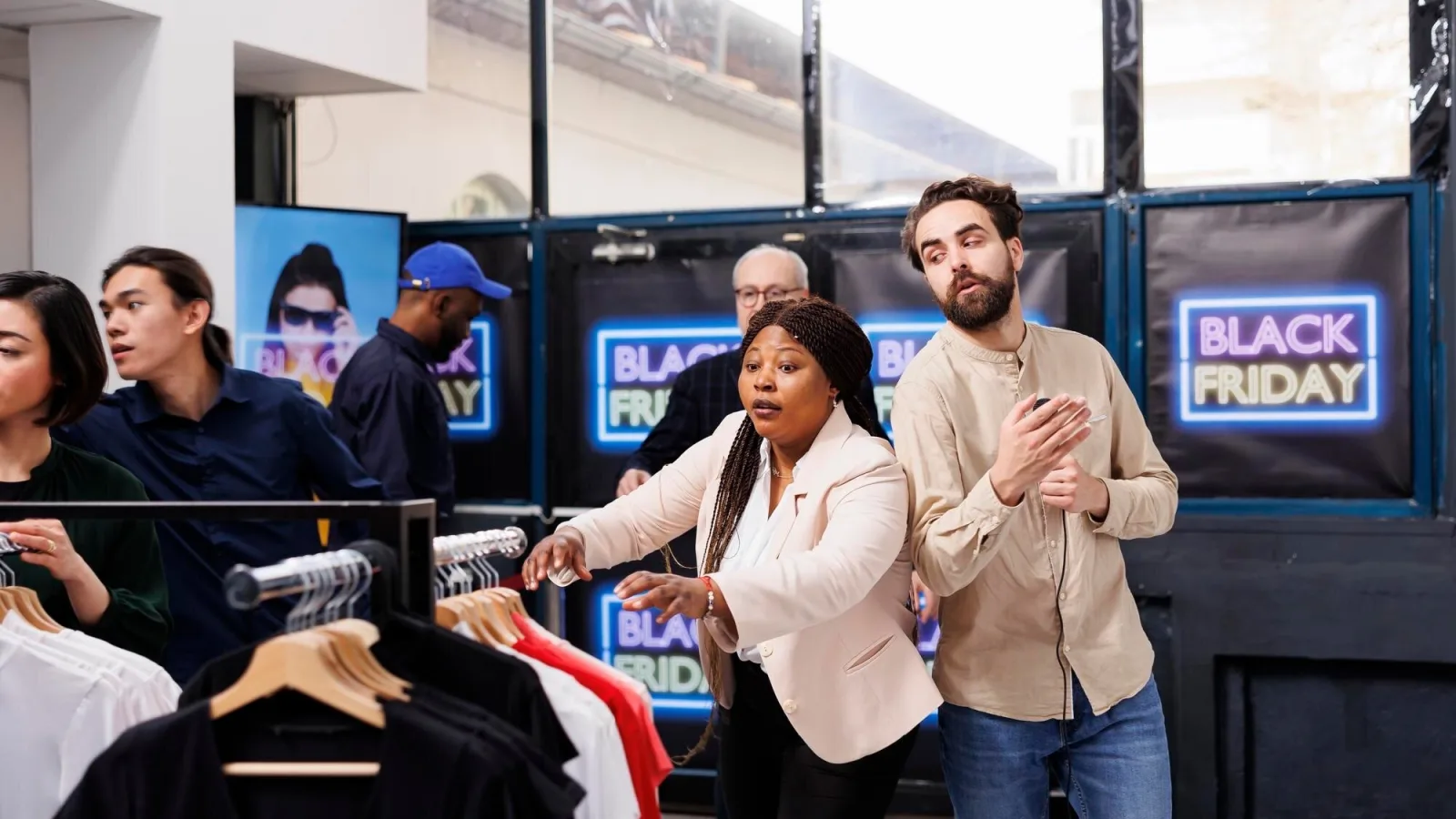
The next Black Friday is on Friday, November 27, 2026, the day after Thanksgiving. Because Thanksgiving is always the fourth Thursday of November, Black Friday moves every year and always lands between November 23 and 29.
It opens a five-day shopping stretch: Small Business Saturday (November 28), the weekend, Cyber Monday (November 30) and, on the Tuesday after, Giving Tuesday (December 1), a day for donations instead of purchases.
Black Friday in the coming years
Where the name came from
The name started with the police in Philadelphia. In the early 1960s, officers called the day after Thanksgiving "Black Friday" because of the crowds and traffic jams that took over downtown. For them, it was a long, miserable shift.
Philadelphia merchants disliked the name and tried to replace it with "Big Friday", without success. The explanation most people know today, that it is the day stores go from "in the red" to "in the black" and start making a profit for the year, only shows up in the 1980s, as a way to give the name a positive spin.
Timeline
- 1951The earliest known use of "Black Friday" for the day after Thanksgiving, in a trade magazine, about workers calling in sick to stretch the holiday.
- Early 1960sPhiladelphia police use the name for the shopping crowds and traffic downtown.
- 1980sThe "stores get into the black" explanation appears.
- 2005Shop.org, the online arm of the National Retail Federation, names Cyber Monday.
- 2010American Express launches Small Business Saturday.
- 2012GivingTuesday is created at the 92nd Street Y in New York.
- 2025Americans spend a record $11.8 billion online on Black Friday, according to Adobe Analytics.
spent online in the U.S. on Black Friday 2025, up from $10.8 billion the year before.
Adobe Analytics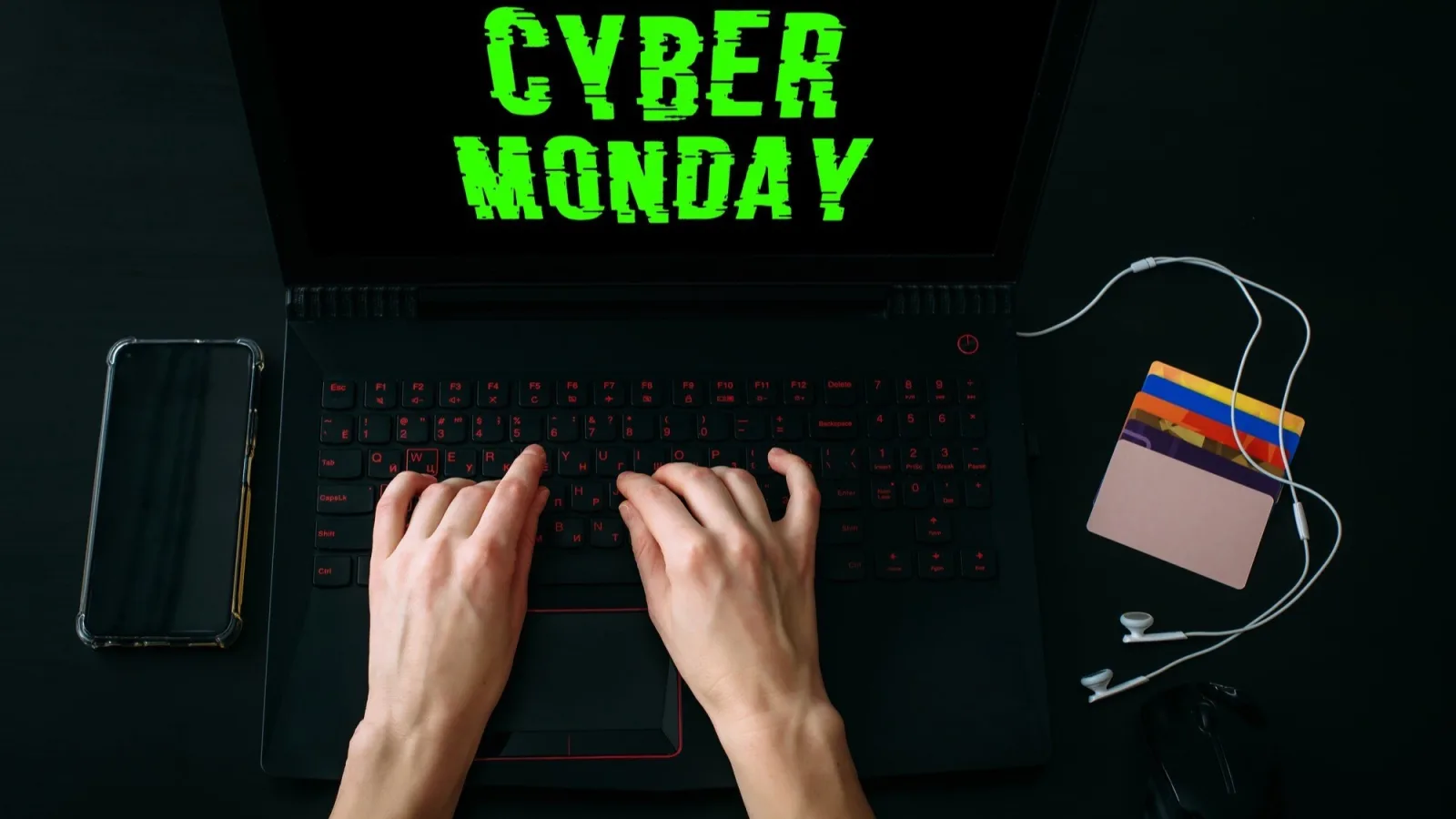
From doorbusters to online deals
For decades, Black Friday meant lines outside stores before dawn and "doorbuster" deals for the first customers through the door. That picture has changed. Big chains such as Walmart, Target and Best Buy now keep their stores closed on Thanksgiving Day and open on Friday morning, and online sales have become the center of the weekend.
Cyber Monday got its name in 2005, in a press release from Shop.org, the online division of the National Retail Federation. Today, online deals usually start days before Black Friday and keep going after Monday.

Small Business Saturday and Giving Tuesday
Two newer dates now bookend the big sales. Small Business Saturday, first held on November 27, 2010, was created by American Express to send holiday shoppers to independent local stores the day after Black Friday.
GivingTuesday was created in 2012 at the 92nd Street Y in New York as a counterpoint to the shopping days: on the Tuesday after Thanksgiving, people are encouraged to donate to charities and volunteer.
Your rights as a shopper
Holiday sales don't suspend consumer protection rules. These are the ones that matter most on Black Friday:
- Fake "original" prices are illegal. Under FTC rules (16 CFR § 233.1), a store can only advertise a discount from a former price it actually charged, openly and in good faith, for a reasonable period of time.
- Credit cards give you more protection. If an item never arrives, arrives damaged or isn't what you ordered, you can dispute the charge with your card issuer. Send the dispute in writing within 60 days of the statement that shows the charge. Debit cards don't carry the same protection.
- Shipping promises count. Sellers must ship by the date they promise or give you the chance to cancel and get a refund.
- Returns are up to the store. No federal law gives you the right to return something just because you changed your mind, and the FTC's three-day Cooling-Off Rule doesn't cover store or online purchases. Return windows, including holiday extensions, are set by each retailer, so check the policy before you buy.
Before you check out
- Track prices now. Write down what the items you want cost today, or use a price tracker, so you can tell a real discount from an inflated one.
- Check the seller. Search the store's name with words like "review", "complaint" or "scam", and be suspicious of ads for brand-name products at unusually low prices.
- Watch how you're asked to pay. A seller that only takes gift cards, wire transfers, payment apps or cryptocurrency is probably a scam, according to the FTC.
- Type the address yourself. Go to the store's website directly instead of clicking deal links in texts, emails or social media posts.
- Compare the final price. Add shipping and taxes before deciding: a bigger discount can lose to a cheaper total somewhere else.
- Keep your records. Save receipts and order confirmation numbers, and report scams at ReportFraud.ftc.gov.
FAQ
Is Black Friday a federal holiday?
No. Federal offices, the Postal Service and banks are open. Some states, such as California, give state employees the day off.
When is Black Friday?
Always the day after Thanksgiving. The next one is on Friday, November 27, 2026.
When is Cyber Monday?
The Monday after Black Friday: Monday, November 30, 2026.
Is the stock market open on Black Friday?
Yes, but the NYSE closes early, at 1 p.m. Eastern.
How many days until Black Friday?
There are 19 days until the next Black Friday.