Astronomy
Winter Solstice: When Is the Shortest Day of the Year in the U.S.?
The December solstice marks the first day of astronomical winter in the United States. See the exact time, how much daylight your city gets, and why the earliest sunset comes before it.
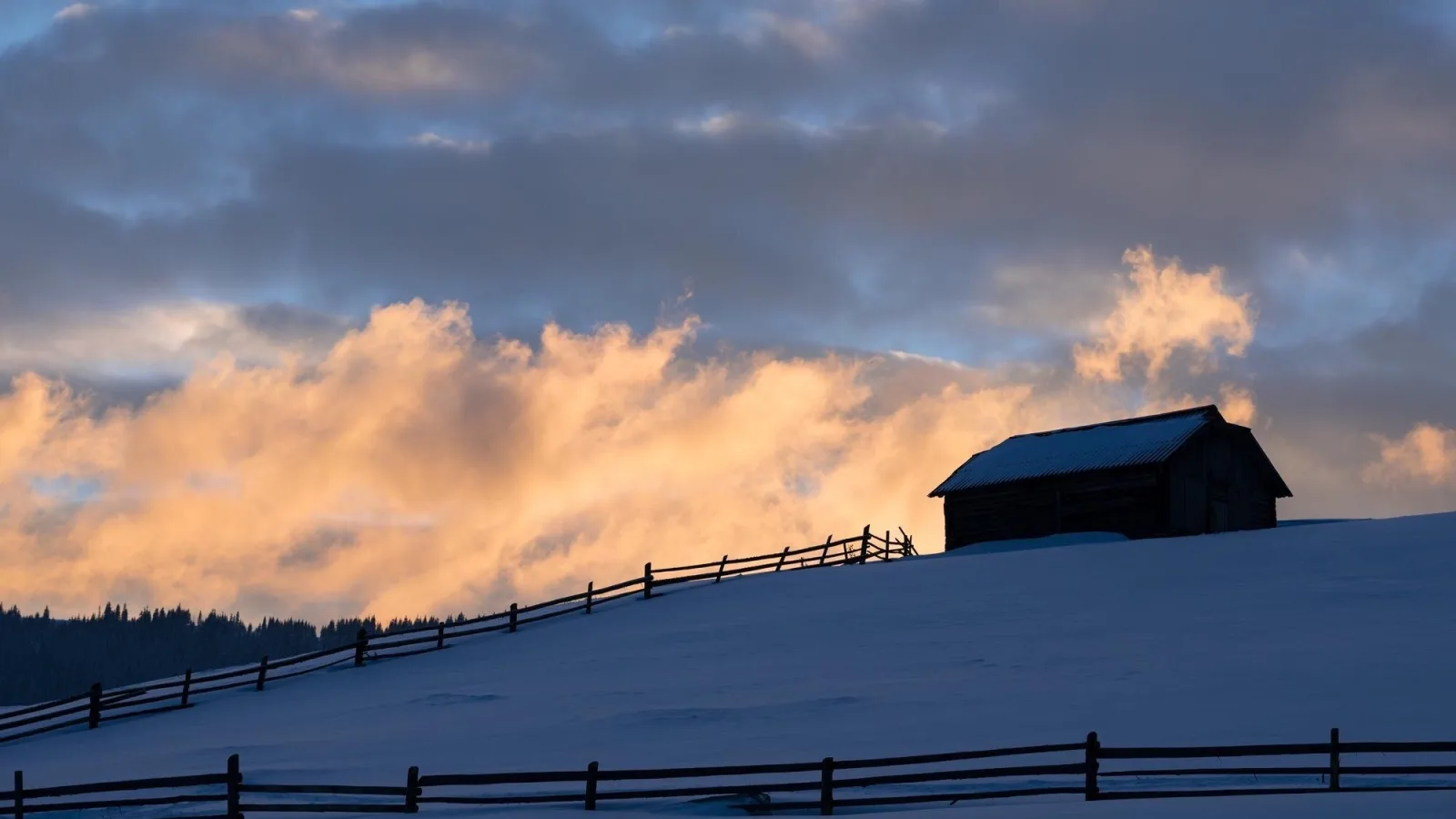
The winter solstice in the United States falls on Monday, December 21, 2026, the shortest day and longest night of the year in all 50 states. It is the first day of astronomical winter. It is not a federal holiday: offices, schools, banks and stores keep their usual schedules.
The solstice is a precise moment, not a whole day. The U.S. Naval Observatory calculates it to the minute. The time moves about six hours later each year, and a leap year pulls it back by roughly a day, so the calendar date can differ from one time zone to another.
Why the December solstice is the shortest day
Seasons happen because Earth is tilted about 23.5 degrees relative to the plane of its orbit, as NASA explains. In December the Northern Hemisphere leans away from the Sun. Sunlight arrives at a low angle, the Sun's path across the sky is at its farthest south, and the daylight hours bottom out.
Distance has nothing to do with it. Earth is actually closest to the Sun (perihelion) in early January, about two weeks after the solstice, according to USNO data. In the Southern Hemisphere the same moment marks the start of summer and the longest day of the year.
Exact time of the December solstice
| Year | Eastern (EST) | Pacific (PST) | Hawaii (HST) |
|---|---|---|---|
| 2026 | Dec 21, 3:50 p.m. | Dec 21, 12:50 p.m. | Dec 21, 10:50 a.m. |
| 2027 | Dec 21, 9:42 p.m. | Dec 21, 6:42 p.m. | Dec 21, 4:42 p.m. |
| 2028 | Dec 21, 3:19 a.m. | Dec 21, 12:19 a.m. | Dec 20, 10:19 p.m. |
| 2029 | Dec 21, 9:14 a.m. | Dec 21, 6:14 a.m. | Dec 21, 4:14 a.m. |
| 2030 | Dec 21, 3:09 p.m. | Dec 21, 12:09 p.m. | Dec 21, 10:09 a.m. |
Pacific and Hawaii times converted from the Eastern times. In 2028 the solstice falls on December 20 in Hawaii.
Sources: U.S. Naval Observatory, Earth's Seasons data
How much daylight you get on the solstice
Latitude makes a big difference. On the National Mall in Washington, D.C., the Sun rises at 7:23 a.m. and sets at 4:50 p.m. Eastern, a little under 9 and a half hours of daylight. Miami gets about an hour more, with sunrise at 7:03 a.m. and sunset at 5:35 p.m.
Alaska shows the other extreme. In Anchorage the Sun comes up at 10:14 a.m. and goes down at 3:41 p.m. local time, leaving about 5 hours 27 minutes of daylight. All of these figures come from the U.S. Naval Observatory's sunrise and sunset calculator.
The earliest sunset comes before the solstice
The shortest day does not have the earliest sunset or the latest sunrise. In Washington, D.C., the Sun sets at 4:46 p.m. on December 7, four minutes earlier than on the solstice. In the other direction, sunrise on January 4 is at 7:27 a.m., four minutes later than on the solstice.
So if your evenings feel darker in early December and your mornings feel darker in early January, the numbers back you up. The total amount of daylight, though, is smallest on the solstice itself, and it starts to grow again the next day.
Astronomical winter vs. meteorological winter
There are two ways to say when winter starts. Astronomical winter begins at the December solstice and runs until the March equinox. The astronomical seasons are tied to Earth's position around the Sun, so their start dates shift and their length varies from 89 to 93 days, according to NOAA's National Centers for Environmental Information.
Meteorological winter is simpler: December, January and February. Forecasters and climate scientists use it because it lines up with the monthly calendar and makes it easier to compare one winter with another. That is why you may hear on the news that winter started on December 1, weeks before the solstice.
Next winter solstices
Frequently asked questions
Is the winter solstice always on December 21?
In U.S. time zones it usually falls on December 21, but the exact moment shifts every year. In some years it lands on December 20 in Hawaii or on December 22 in Universal Time, which is why sources from other countries may list a different date.
Is the winter solstice a holiday in the United States?
No. It is an astronomical event. Federal offices, schools, banks and businesses are open as usual unless the date coincides with another closure.
Does the day get longer right after the solstice?
Yes. Total daylight starts to increase the day after the solstice, but only by seconds at first. Sunrise keeps getting later until early January, so mornings stay dark for a few more weeks.
Does winter start on December 1 or on the solstice?
Both answers are used. Astronomers count winter from the December solstice. Meteorologists count it from December 1 and treat December, January and February as winter, which is how NOAA keeps its seasonal climate records.
Related dates
- Christmas DayFriday, December 25, 2026
- SpringSaturday, March 20, 2027
- SummerMonday, June 21, 2027