Astronomy
Summer Solstice: When Is the Longest Day of the Year in the U.S.?
The June solstice marks the first day of astronomical summer in the United States. See the exact time, how much daylight your city gets, and why the hottest days come weeks later.
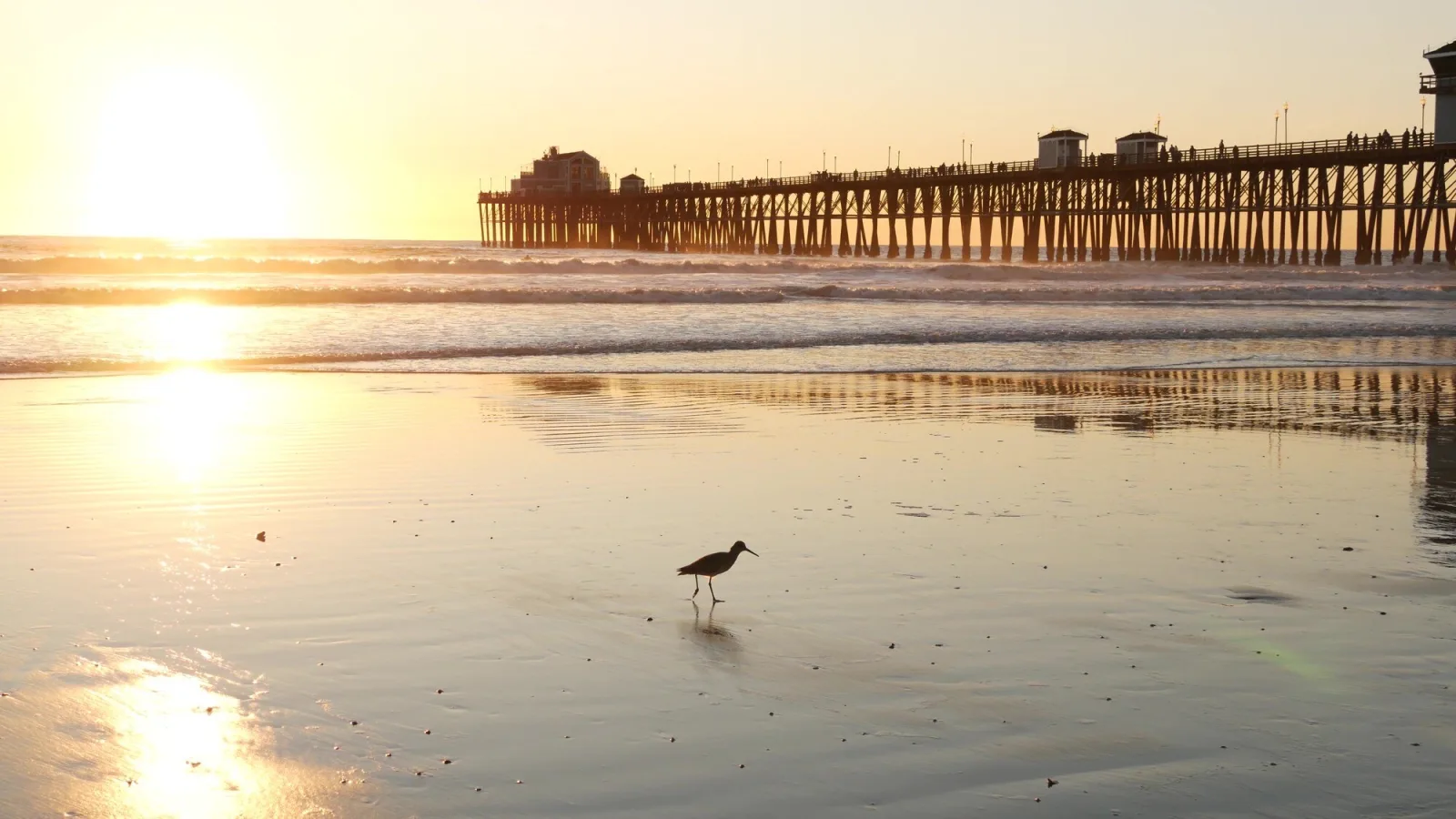
The summer solstice in the United States falls on Monday, June 21, 2027, the first day of astronomical summer and the longest day of the year in all 50 states. It is not a federal holiday and it is not on the list of legal public holidays in federal law, so offices, schools, banks and stores keep their normal hours.
The solstice is a single instant that the U.S. Naval Observatory calculates to the minute. In Eastern Time it lands on June 20 or June 21, depending on the year. Because the moment is the same everywhere on Earth, the date on your calendar can depend on your time zone.
Why June brings the longest day
Earth's axis is tilted 23.5 degrees with respect to the line between Earth and the Sun, and that tilt does not change as the planet orbits, NASA explains. Around the June solstice the North Pole leans most directly toward the Sun. Sunlight hits the Northern Hemisphere at its steepest angle, the Sun climbs to its highest point of the year at midday, and the daylight hours peak.
Distance does not cause summer. Earth reaches aphelion, its farthest point from the Sun, in early July, about two weeks after the solstice, according to USNO data. South of the equator the same moment starts winter, and every place there has days shorter than 12 hours.
Exact time of the June solstice
| Year | Eastern (EDT) | Pacific (PDT) | UTC |
|---|---|---|---|
| 2027 | Jun 21, 10:11 a.m. | Jun 21, 7:11 a.m. | Jun 21, 14:11 |
| 2028 | Jun 20, 4:02 p.m. | Jun 20, 1:02 p.m. | Jun 20, 20:02 |
| 2029 | Jun 20, 9:48 p.m. | Jun 20, 6:48 p.m. | Jun 21, 01:48 |
| 2030 | Jun 21, 3:31 a.m. | Jun 21, 12:31 a.m. | Jun 21, 07:31 |
| 2031 | Jun 21, 9:17 a.m. | Jun 21, 6:17 a.m. | Jun 21, 13:17 |
Pacific times converted from the Eastern times. In 2029 the solstice is on June 20 in the U.S. but June 21 in UTC. In 2030 it falls at 9:31 p.m. on June 20 in Hawaii.
Sources: U.S. Naval Observatory, Earth's Seasons data
How much daylight you get on the solstice
The farther north you are, the longer the day. On the National Mall in Washington, D.C., the Sun rises at 5:43 a.m. and sets at 8:37 p.m. Eastern Daylight Time, close to 15 hours of daylight. Seattle gets almost 16 hours (5:12 a.m. to 9:11 p.m. Pacific). Miami, much closer to the tropics, gets about 13 hours 45 minutes, with sunrise at 6:30 a.m. and sunset at 8:15 p.m.
Anchorage is in a different league. The Sun rises at 4:20 a.m. and sets at 11:43 p.m. Alaska Daylight Time, a day of about 19 hours 23 minutes. Even between sunset and sunrise the Sun never sinks far enough for full darkness: USNO data show it stays above the civil twilight limit all night. All of these figures come from the U.S. Naval Observatory's sunrise and sunset calculator.
The earliest sunrise comes before the solstice
The longest day does not have both the earliest sunrise and the latest sunset. In Washington, D.C., the Sun rises at 5:42 a.m. on June 14, a minute earlier than on the solstice. The latest sunset comes later in the month: 8:38 p.m. on June 27, a minute later than on the solstice.
The differences are small, but they explain why late June evenings can feel longer than the solstice itself. It is the mirror image of December, when the earliest sunset comes before the winter solstice and the latest sunrise comes after it. Total daylight is still greatest on the solstice, and it starts to shrink, by seconds at first, the next day.
Astronomical summer vs. meteorological summer
Astronomical summer begins at the June solstice and lasts until the September equinox. Because Earth's orbit is an ellipse, the astronomical seasons vary between 89 and 93 days, according to NOAA's National Centers for Environmental Information.
Meteorological summer is June, July and August, so it starts on June 1. NOAA uses it because it matches the monthly calendar, which makes it easier to compare one summer's climate statistics with another's. That is why you may hear that summer started on June 1, weeks before the solstice.
Why the solstice is not the hottest day
The most sunlight of the year arrives in June, yet the hottest weather usually comes weeks later. The National Weather Service calls this a lag between the longest day and the warmest average temperatures, and says it happens at most mid and high latitude locations. After the solstice the ground, the oceans and the air keep taking in more energy than they lose, so temperatures keep climbing until the Sun sits noticeably lower in the sky.
In Albuquerque, for example, the NWS forecast office notes that the warmest daily highs come nearly three weeks after the solstice, in mid July, and that July averages 3.7 degrees warmer than June. By the time the country celebrates Independence Day, the days are already getting shorter, but the heat is still building.
Next summer solstices
| Year | Date |
|---|---|
| 2027 | Monday, June 21, 2027 |
| 2028 | Tuesday, June 20, 2028 |
| 2029 | Wednesday, June 20, 2029 |
| 2030 | Friday, June 21, 2030 |
| 2031 | Saturday, June 21, 2031 |
Frequently asked questions
Is the summer solstice always on June 21?
No. In U.S. time zones it falls on June 20 or June 21. The exact moment moves about six hours later each year and jumps back after a leap year, so the date alternates.
Is the first day of summer a holiday in the United States?
No. The solstice is not a federal holiday and is not one of the 11 legal public holidays in 5 U.S.C. 6103. Federal offices, schools, banks and businesses keep their usual schedules.
Does summer start on June 1 or on the solstice?
Both are used. Astronomers count summer from the June solstice. Meteorologists count June, July and August as summer, so for NOAA climate records the season begins on June 1.
Which U.S. city has the longest day on the solstice?
Among large cities, those in Alaska. Anchorage gets about 19 hours 23 minutes of daylight, and the Sun stays above the civil twilight limit there all night.
Related dates
- SpringSaturday, March 20, 2027
- FallThursday, September 23, 2027
- Independence DaySunday, July 4, 2027