Observances
Halloween: When It Is, Where It Came From and Why It Isn't a Holiday
Halloween is always October 31, but it is not a federal holiday. See the next date, how Samhain and Irish immigrants shaped it, and what Americans spend.
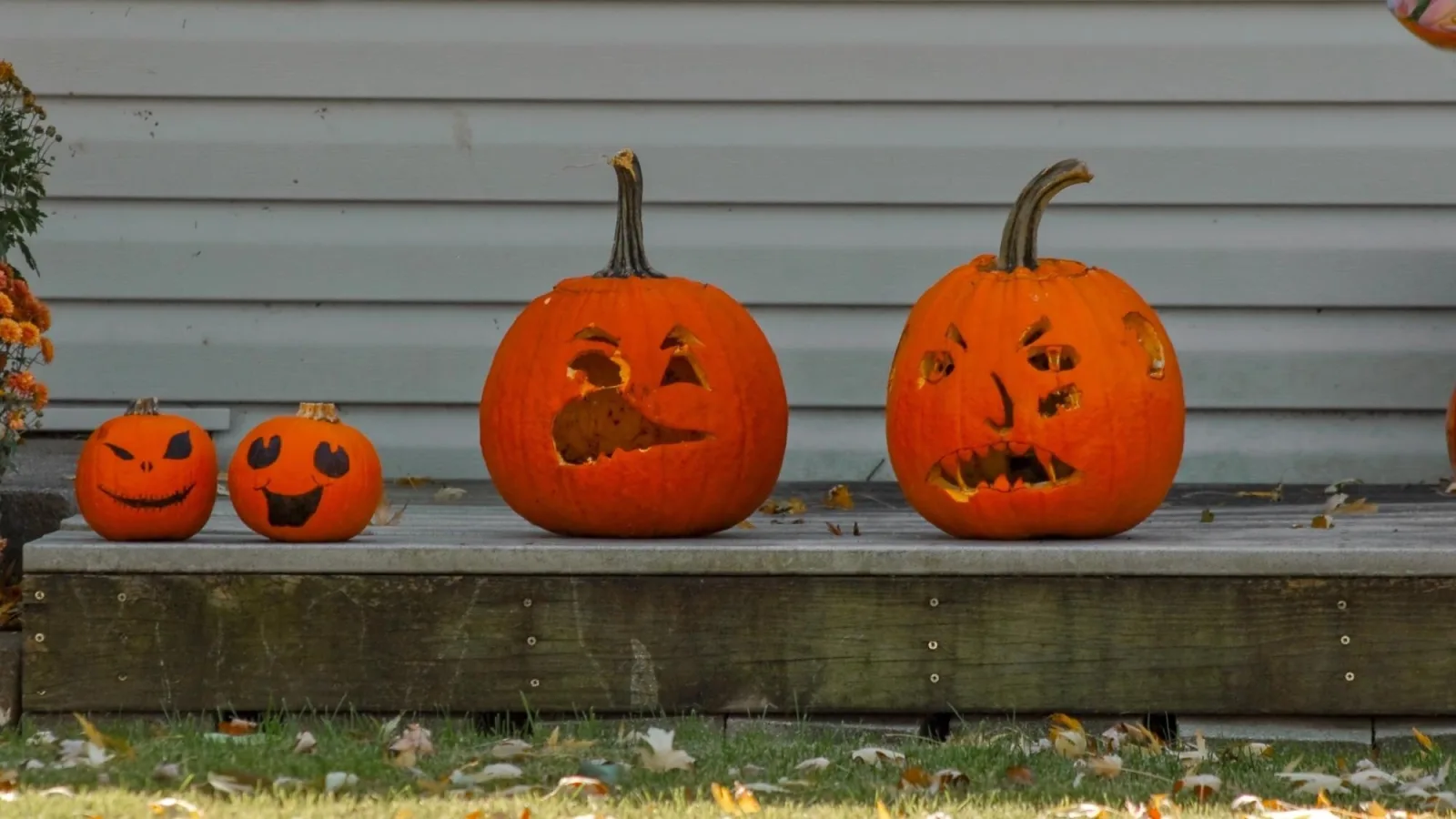
When is Halloween
The next Halloween is on Sunday, October 31, 2027, 344 days from now. It is not a federal holiday: October 31 is not on the list of legal public holidays in 5 U.S.C. 6103, so schools, offices, banks and federal agencies follow their normal schedule unless a local district or employer decides otherwise.
The date never moves. Halloween is the night before All Saints' Day, also called All Hallows' Day, on November 1, which is how the U.S. Census Bureau describes it. Most of the action happens after dark, from trick-or-treating to parties.
Halloween in the coming years
From Samhain to All Hallows' Eve
Halloween's oldest layer is Samhain, a Celtic festival marking summer's end and the start of winter's darkness. Tok Thompson, a folklorist at USC Dornsife, describes it as one of four seasonal turning points, and probably the most important, because it marked the passage from the light half of the year to the dark half. Archaeological evidence suggests gatherings at sites such as Newgrange and the Hill of Tara may go back about 6,000 years.
Samhain was believed to be a time when the boundary between the living and the dead grew thin. According to William FitzGerald of Rutgers University-Camden, people lit candles and bonfires to guide the dead, left out food for wandering spirits and wore disguises to confuse them. Those three habits, light, food and costume, are still at the center of Halloween.
The Christian calendar placed All Saints' Day, or All Hallows' Day, on November 1, and its eve became All Hallows' Eve. The old name survives in Ireland, where Halloween is still Oíche Shamhna, the Eve of Samhain.
How the customs reached America
The Census Bureau dates the American chapter to the mid-19th century, when large numbers of Irish and other immigrants arrived and brought their Halloween customs with them. In the 20th century, it says, Halloween became a favorite pastime, especially among children.
The jack-o'-lantern made the same trip and changed along the way. In Ireland the first lanterns were carved from turnips, tied to the folk tale of Stingy Jack, whose oldest written version dates to the 19th century, as Clemson Cooperative Extension explains. In North America, where pumpkins are native and abundant, immigrants carved pumpkins instead.
How trick-or-treating took hold
Going door to door has older European cousins. In 16th-century England, poor people begged on All Souls' Day and received soul cakes in exchange for prayers, a custom children later took over, as National Geographic recounts.
In the U.S., the early 20th century was the age of the Halloween prank, and in the 1920s pranks set entire cities on edge. Etymologist Barry Popik traced the earliest Halloween use of the phrase "trick or treat" to a 1927 newspaper in Alberta, Canada, about pranksters going to houses.
The custom became widespread after World War II. Rationing ended and candy was easy to buy again, while fast-growing suburbs put many front doors within walking distance. By the 1950s, homemade costumes were giving way to mass-produced characters from movies and TV.
Timeline
- About 6,000 years agoArchaeological evidence suggests Samhain gatherings at sites such as Newgrange and the Hill of Tara.
- 1500sIn England, the poor beg for soul cakes on All Souls' Day, an ancestor of going door to door.
- Mid-1800sIrish and other immigrants bring Halloween customs to the United States; pumpkins replace turnips as lanterns.
- 1927Earliest known Halloween use of "trick or treat" in print, in an Alberta newspaper.
- After 1945Trick-or-treating spreads across the U.S. as rationing ends and suburbs grow.
- 2025The NRF reports a record $13.1 billion in Halloween spending.
- 2026The NRF projects a new record of $13.5 billion.
Projected U.S. Halloween spending in 2026, a record, according to the National Retail Federation's annual survey.
National Retail Federation, September 22, 2026What Americans spend
In its 2026 survey, conducted with Prosper Insights & Analytics from September 1 to 9 among 7,889 consumers, the NRF found that 74% of Americans planned to celebrate, spending an average of $115.14 each. Costumes led at $4.4 billion, followed by decorations ($4.3 billion), candy ($4.1 billion) and greeting cards ($0.8 billion).
Handing out candy was the most common plan (61%), followed by dressing in costume (50%) and carving pumpkins (42%). The Census Bureau adds the scale of the night: 72.0 million children under 18 as of July 1, 2025, and 132.7 million occupied homes in 2024 that could serve as stops. Some of those stops are in places like Sleepy Hollow, Ill. (2025 population: 3,122) and Truth or Consequences, N.M. (5,949).
Safety basics from federal agencies
Halloween is a busy night for pedestrians. A CDC study found that from 1975 to 1996, deaths of child pedestrians aged 5 to 14 were four times higher between 4 p.m. and 10 p.m. on Halloween than on other evenings. The tips below come from the CDC and the FDA.
- Wear bright, reflective, flame-retardant clothing, carry a flashlight and stay on sidewalks (CDC).
- Cross at corners, using crosswalks where they exist, not between parked cars, and go in small groups with an adult (CDC).
- Drivers: go slowly, watch for children in the street and back out of driveways carefully (CDC).
- Eat only commercially wrapped treats, check them for tampering and skip home-baked goods from strangers (FDA).
- For very young children, remove gum, peanuts, hard candies and small toys, which can cause choking (FDA).
FAQ
Is Halloween a federal holiday?
No. It is not one of the 11 federal holidays in 5 U.S.C. 6103. Schools, offices and banks normally stay open.
When is the next Halloween?
On Sunday, October 31, 2027. There are 344 days to go.
Why is Halloween on October 31?
It is the eve of All Saints' Day, or All Hallows' Day, on November 1. Its customs also echo Samhain, the Celtic festival that marked the start of winter.
Were jack-o'-lanterns always pumpkins?
No. In Ireland they were carved from turnips. Irish immigrants switched to pumpkins in North America, where pumpkins are native.
When did trick-or-treating become common in the U.S.?
The phrase appears in print by 1927, but the custom spread nationwide after World War II, when candy rationing ended and suburbs grew.
Related dates
- Thanksgiving DayThursday, November 26, 2026
- Columbus Day (Most regions)Monday, October 11, 2027
- Veterans DayThursday, November 11, 2027